

AI and automation insights

Context, Clarity, and Signals for Teams Exploring AI.

Beyond implementation, decision-makers need a clearer view of what AI and automation actually mean in operational terms. This section gives that context in a more useful format.

Context, Clarity, and Signals for Teams Exploring AI.

Editorial layer

A sharper way to think about AI than trend-following alone.

This section is designed as a decision-support surface for teams evaluating automation with more seriousness. The goal is not to amplify hype, but to help operators frame where AI is useful, where control should remain, and what adoption logic actually matters.

Applied AI

AI becomes valuable when it is connected to real workflows, approval logic, and business outcomes rather than treated as a standalone tool.

Automation design

The best automation systems reduce repetitive workload, tighten response cycles, and improve consistency without removing oversight where it still matters.

Execution maturity

Companies that get the best results from AI usually combine structured processes, clear ownership, and a willingness to redesign outdated operating habits.

Useful before buying software
Best for teams comparing options
Focused on operating logic, not hype
Context board

The most useful AI conversations tend to revolve around a few recurring operating questions.

AI

Valuable only when connected to real workflows

Tools matter less than the workflow logic and operating leverage behind them.

Control

Human oversight remains strategic

Approval still matters where quality, pricing, compliance, or brand judgment are sensitive.

ROI

Measured through practical business effects

Time recovered, response speed improved, and cost drag reduced are more useful than generic AI excitement.

Maturity

Execution quality usually beats novelty

The strongest teams redesign habits and process, not only software stacks.

Speed

Response quality becomes a business lever

Automation is often most valuable where response cycles already affect revenue or delivery quality.

Clarity

Decision framing matters early

A better first question is where consistency and leverage already matter, not where AI sounds impressive.

Decision lens

Useful AI strategy usually begins with three operating questions.

Where does consistency matter most?

If inconsistency creates visible quality problems or decision drag, automation can create immediate structural value.

Where does response speed affect commercial outcomes?

Lead follow-up, internal reporting, quoting, and content cadence often create leverage because timing matters.

Where should human control remain?

The best systems do not remove judgment blindly. They preserve approval at the points where risk, brand, or pricing logic matter.

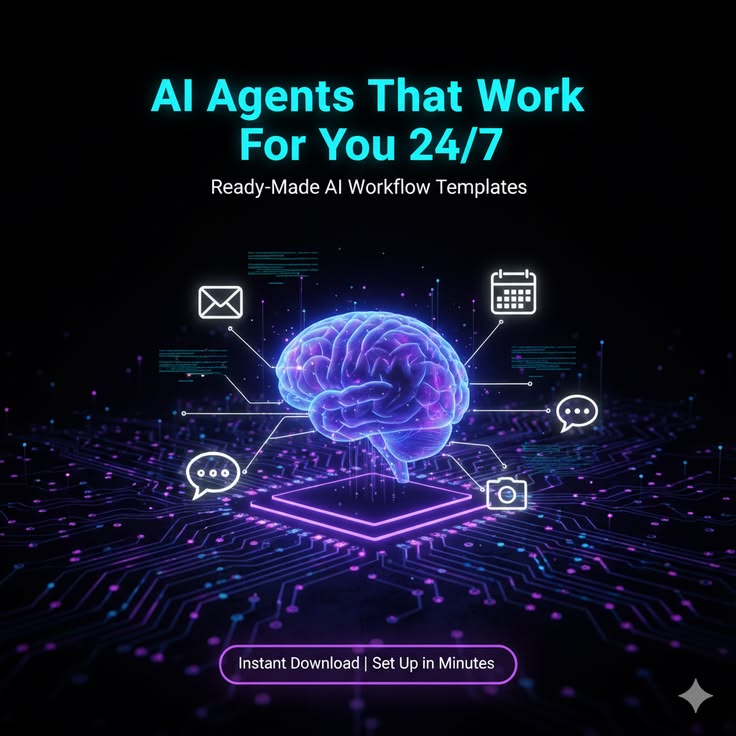
AI agents workflow templates visual
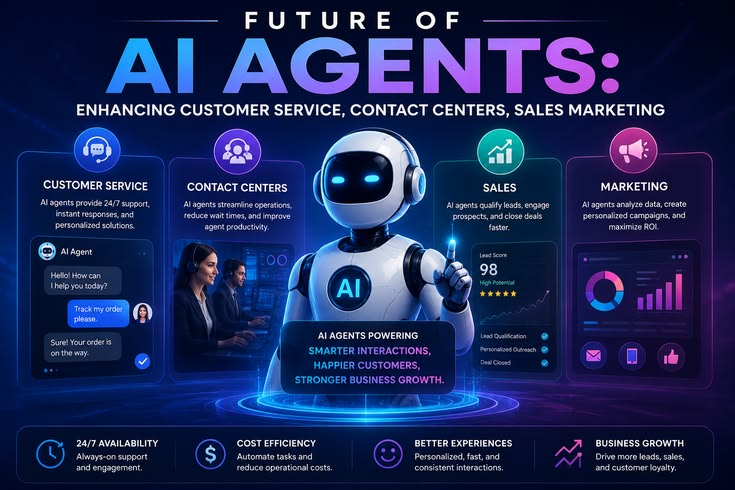
AI agents transforming customer operations visual

Selected signals

What serious operators are increasingly recognizing.

AI is moving from experimentation to operations

More firms are shifting their attention from isolated AI demos to practical workflow systems that affect execution quality.

Automation buying decisions are becoming more commercial

Leadership teams increasingly expect AI initiatives to show operational relevance, not only technical novelty.

Trust and control remain central

The strongest implementations combine automation speed with clear human oversight, governance, and transparent logic.

Applied perspective

What separates useful AI adoption from expensive distraction.

The strongest implementations tend to combine one clear workflow, one measurable goal, one approval structure, and one team willing to redesign old operating habits.

Operating view

The real shift is not from human work to machine work. It is from repetitive coordination to higher-quality decision time.

That is why the best AI systems often create value first in reporting, content operations, sales response, lead triage, and internal coordination rather than in abstract experimentation.

Practical FAQ

Frequently Asked Questions

These are the practical questions teams usually ask once they move beyond surface-level interest.

Where does AI create value fastest?

Usually in repetitive coordination work, content operations, internal reporting, lead triage, and response workflows where speed and consistency directly affect output.

Do businesses need a full AI transformation to start?

No. The strongest first step is usually one clearly defined automation with measurable impact rather than a broad transformation program.

Will automation remove human control?

Not when it is designed properly. The highest-value systems usually keep human approval in strategic, financial, and quality-sensitive decisions.

How should companies evaluate ROI?

By looking at time recovered, response speed improved, operating cost reduced, and the quality consistency gained across critical workflows.

Next move

If your team is still deciding where AI fits, the most productive next step is usually one focused operating conversation.

That conversation should center on friction, response speed, workflow quality, and where oversight still needs to remain human.